UKGC Rewrites the Rulebook for Gaming Machine Design
If you’ve ever wondered why your local arcade or bookies’ cabinet lets you mash a button to stop the reels early while your phone’s slot app won’t, that gap is about to close. The Gambling Commission has confirmed a fresh set of technical standards for gaming machines, and the headline change bans exactly the kind of speed-up trick that online slots have been without since 2021.
What’s been released
The regulator has published its formal response to a consultation that has been running since early last year.
The Commission set out its decisions in a consultation response published on September 30, 2026, following an underlying consultation issued on January 29, 2025 that ran until June 3, 2025 and received 1,065 responses.
The review covers everything from the Gaming Machine Technical Standards themselves to the testing strategy and licence conditions that sit underneath them.
On the administrative side,
the Commission will consolidate the twelve individual Gaming Machine Technical Standards into a single standard reflecting legislative changes and removing obsolete material, and will update the machine testing strategy.
The practical changes, though, are what will actually alter what players see on the cabinet screen.
What’s changed
The biggest shift lands on Category B machines, the type you’ll find in arcades, bingo halls and betting shops.
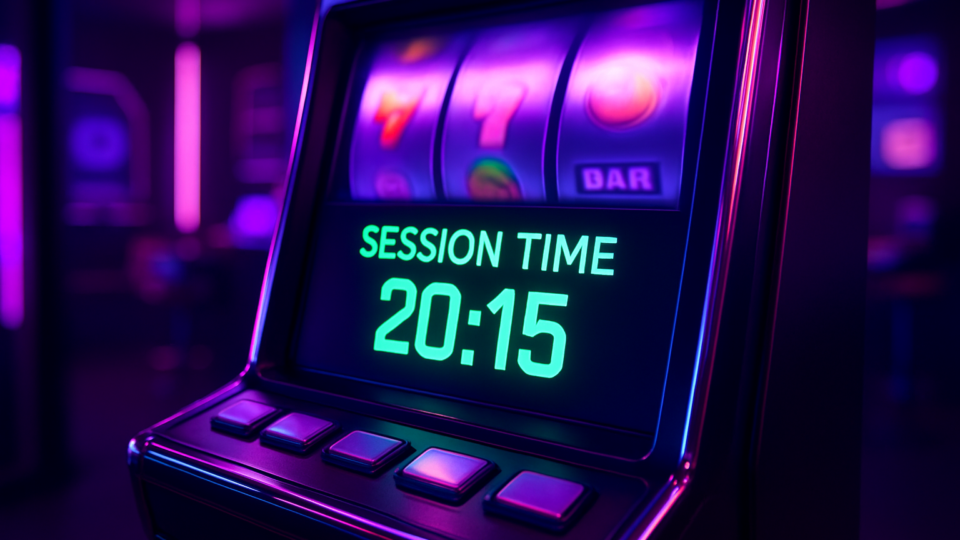
New category B gaming machines must provide consumers improved access to gambling management tools and sessional information detailing how long they have been playing for and how much they have won or lost.
That same data won’t just sit with the player, either:
sessional information will also be available to licensees to support them in meeting regulatory obligations such as interacting with consumers who are displaying signs of gambling harm.
Game design itself is being adjusted too, with the Commission going after two specific mechanics.
Responsible game design improvements will involve ensuring awards below the stake size are not celebrated and prohibiting features that permit a customer to reduce the time until a result is known.
The second point is the interesting one for anyone who follows online slots, because it’s a direct import of an existing rule.
In 2021, the UKGC prohibited features designed to speed up play in the remote gambling section – for instance, a function that allows a player to press a button and stop reels manually.
While the regulator does not believe such features are widely available on gaming machines, it has seen fit to impose the same standard on new category A, B and C gaming machines.
None of this lands overnight.
The changes include new requirements for category B machines, access to session information and adjustments to game design, with most of the measures scheduled to take effect from June 2027.
And it won’t touch what’s already on the shop floor:
the new standards will apply to new machines, with existing ones being exempt, since the UKGC acknowledged that technical changes of this magnitude would be too costly, while not necessarily delivering proportionate consumer benefits.
Where it fits
For readers of this site, the story is less about the machines themselves and more about what it signals. Online slot players have lived with a ban on manual reel-stop features and similar speed mechanics for several years now, part of the broader push for slower, more transparent play that followed the 2023 Gambling Act Review White Paper. Extending the same logic to physical cabinets suggests the Commission wants a single, consistent standard of “responsible” game design regardless of whether the reels are spinning on a phone screen or in a betting shop corner.
It also tidies up a regulatory picture that’s been arriving in instalments throughout 2026, following earlier moves this year on machine withdrawal powers and ongoing scrutiny of Category B taxation. For UK casino operators and suppliers, the direction of travel is clear: sessional transparency and a cap on artificially sped-up outcomes are becoming baseline expectations across every channel, not just online.
Sources
- Gambling News – UKGC Unveils Gaming Machine Standards Changes
- SBC News – New UK regulations exclude existing Category B machines
- NEXT.io – Gambling Commission tightens gaming machine regulations
- Gaming.net – UK Gambling Commission Sets New Gaming Machine Safety Standards
- iGaming Expert – Gambling Commission bolsters machine rules amid MGD scrutiny
- Soloazar – UK sets new gaming machine rules to reduce gambling harm